

Fatty liver disease is becoming increasingly common due to unhealthy diets, obesity, and sedentary lifestyles. Research suggests that nearly 25% of adults worldwide may have non-alcoholic fatty liver disease (NAFLD).
The good news is that early-stage fatty liver can often be improved or even reversed with proper nutrition and lifestyle changes.
Following a structured fatty liver diet chart can help reduce liver fat, improve metabolism, and support long-term liver health.
In this guide, you will learn:
- Best foods to eat for fatty liver
- Foods to avoid
- A practical 7-day fatty liver meal plan
- Lifestyle habits that support liver health
What Is the Best Diet for Fatty Liver?
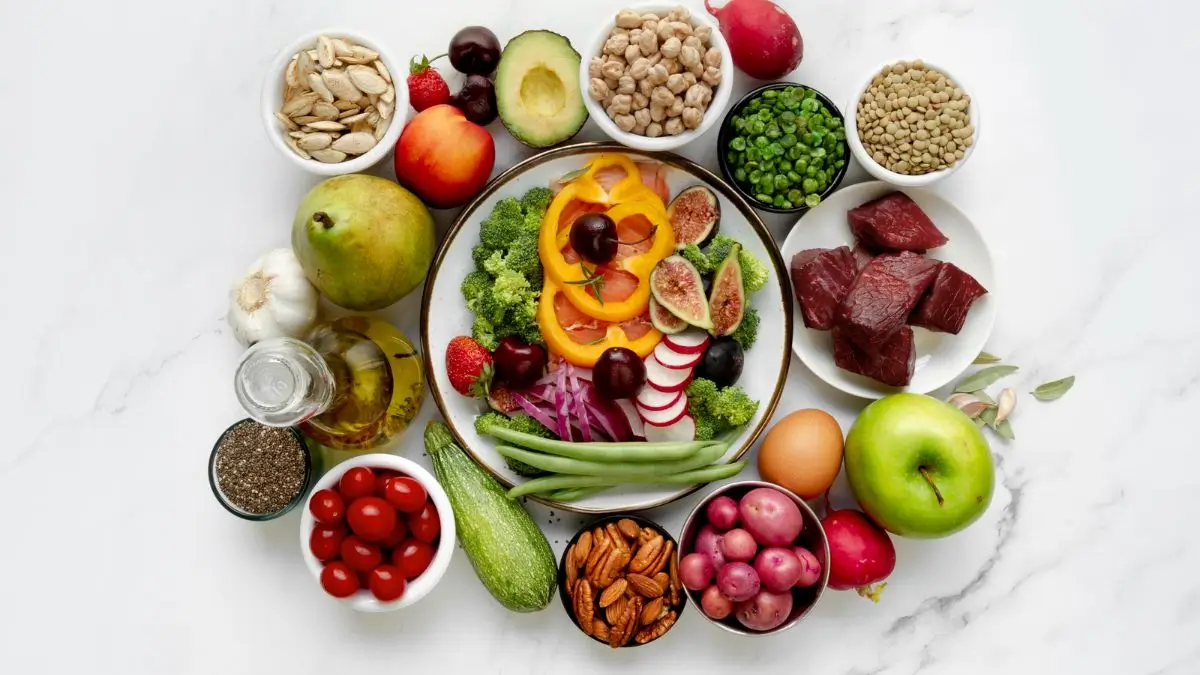
A diet rich in whole grains, lean proteins, vegetables, fruits, and healthy fats, while avoiding sugary foods, refined carbohydrates, fried foods, and alcohol, can help reduce liver fat and improve liver function.
This type of diet supports metabolism and promotes better liver health.
Key Takeaways
- Eat whole foods and fiber-rich ingredients
- Include lean proteins and healthy fats
- Avoid sugar, fried foods, refined carbs, and alcohol
- Maintain a healthy weight (5–10% weight loss helps reduce liver fat)
- Exercise regularly to support metabolism
What Is Fatty Liver Disease?
Fatty liver disease occurs when excess fat accumulates in liver cells, which can affect normal liver function.
Normally, the liver contains small amounts of fat, but when fat levels exceed healthy limits, it may lead to inflammation and other liver complications.
Types of Fatty Liver
Non-Alcoholic Fatty Liver Disease (NAFLD)
Often associated with obesity, poor diet, and insulin resistance.
Alcoholic Fatty Liver Disease
Caused by excessive alcohol consumption.
Symptoms of Fatty Liver Disease
|
Symptom |
Description |
|
Persistent fatigue |
Feeling tired despite adequate rest |
|
Mild abdominal discomfort |
Pain or discomfort in the upper abdomen |
|
Bloating or fullness |
Feeling heavy after meals |
|
Weakness |
Reduced physical strength |
|
Enlarged liver |
Detected during medical examination |
|
Elevated liver enzymes |
Seen in blood tests |
However, many people with fatty liver disease may not experience noticeable symptoms in the early stages and may only discover it during routine medical tests.
What Causes Fatty Liver Disease?
Common causes include:
- Obesity and excess body weight
- High sugar consumption
- Sedentary lifestyle
- Insulin resistance
- Type 2 diabetes
- High cholesterol
- Metabolic syndrome
- Excess alcohol consumption
- Poor dietary habits
Fatty Liver Diet Chart (Daily Example)
|
Time |
Meal |
|
Early Morning |
Warm lemon water |
|
Breakfast |
Oatmeal with fruits or a vegetable omelet |
|
Mid-Morning |
Apple or papaya |
|
Lunch |
Brown rice or whole wheat roti, dal, vegetables, grilled chicken or tofu |
|
Evening Snack |
Green tea with nuts |
|
Dinner |
Vegetable soup with grilled fish or paneer |
Best Foods to Eat for Fatty Liver Disease
Fruits and Vegetables
Fruits and vegetables are rich in antioxidants and fiber, which help reduce inflammation and support liver health.
Examples :
- Apples
- Papaya
- Guava
- Oranges
- Berries
- Spinach and leafy greens
Whole Grains
Whole grains help regulate blood sugar levels and support digestion.
Examples:
- Oats
- Brown rice
- Quinoa
- Whole wheat
Lean Proteins
Lean proteins support tissue repair and healthy metabolism.
Examples:
- Fish
- Chicken breast
- Eggs
- Lentils
- Tofu
Healthy Fats
Healthy fats help reduce inflammation and support metabolic health.
Examples:
- Olive oil
- Nuts
- Seeds
- Avocados
- Walnuts
Foods That Support Liver Detox
Certain foods contain antioxidants and nutrients that may support the body’s natural liver detoxification process.
Examples include:
- Garlic
- Turmeric
- Leafy greens
- Beetroot
- Walnuts
- Green tea
These foods may help reduce oxidative stress and support liver function.
Worst Foods to Avoid for Fatty Liver
|
Food Type |
Examples |
Reason to Avoid |
|
Sugary foods |
Cakes, candy, desserts |
Increase liver fat |
|
Refined carbohydrates |
White bread, pastries |
Cause blood sugar spikes |
|
Fried foods |
Fast food, chips |
High unhealthy fats |
|
Alcohol |
Beer, liquor |
Damages liver cells |
|
High-fructose foods |
Sweetened drinks |
Increase liver fat accumulation |
Best Drinks for Fatty Liver
Healthy beverages can support liver function.
Recommended drinks:
- Green tea: rich in antioxidants
- Black coffee: may reduce liver fat and inflammation
- Lemon water: supports digestion
- Coconut water: improves hydration
- Vegetable juice: rich in essential nutrients
Avoid drinks high in added sugar, such as soda, energy drinks, and sweetened beverages.
7-Day Fatty Liver Diet Plan
|
Day |
Breakfast |
Lunch |
Dinner |
|
Monday |
Oatmeal |
Brown rice + dal |
Vegetable soup |
|
Tuesday |
Vegetable omelet |
Quinoa salad |
Grilled fish |
|
Wednesday |
Fruit smoothie |
Roti + vegetables |
Lentil soup |
|
Thursday |
Yogurt + fruits |
Brown rice + beans |
Grilled chicken |
|
Friday |
Oats upma |
Vegetable khichdi |
Vegetable soup |
|
Saturday |
Moong dal chilla |
Roti + dal |
Paneer salad |
|
Sunday |
Fruit bowl |
Vegetable pulao |
Vegetable salad + lentil soup |
Best Indian Foods for Fatty Liver
Breakfast
- Vegetable poha
- Oats upma
- Moong dal chilla
Lunch
- Whole wheat rotis
- Dal or rajma
- Mixed vegetable sabzi
Dinner
- Vegetable soup
- Grilled paneer or tofu
Ideal Weight Loss for Fatty Liver
Losing 5–10% of body weight can significantly improve liver health.
|
Weight |
Recommended Loss |
Benefit |
|
80 kg |
4–8 kg |
Improves insulin sensitivity and reduces liver fat |
Even small weight loss can improve liver function.
Lifestyle Habits to Support Liver Health
|
Habit |
Benefit |
|
Regular exercise |
Burns liver fat and improves metabolism |
|
Maintain a healthy weight |
Reduces fat accumulation |
|
Healthy balanced diet |
Supports liver function |
|
Adequate hydration |
Improves metabolic processes |
|
Stress management |
Maintains hormonal balance |
|
Avoid late-night eating |
Enhances liver metabolism |
Conclusion
Fatty liver disease is becoming increasingly common due to modern lifestyle habits, but the condition can often be managed and even reversed with the right diet and lifestyle choices. Following a balanced fatty liver diet chart that includes whole grains, lean proteins, fruits, vegetables, and healthy fats can help reduce liver fat and support overall liver function.
Adopting healthy habits such as regular exercise, maintaining a healthy weight, staying hydrated, and avoiding processed or sugary foods plays an important role in improving liver health. Even a small weight loss of around 5 to 10% can significantly reduce liver fat and improve metabolic health.
At Aveda Ayur, a combination of balanced nutrition, healthy lifestyle practices, and natural wellness approaches can help support long-term liver health. By making mindful daily choices and following a structured diet plan, you can take meaningful steps toward improving your liver function and overall well-being.
Frequently Asked Questions
Q1. How long does it take to improve fatty liver?
Early-stage fatty liver may improve within a few months with proper diet, exercise, and weight loss.
Q2. Can coffee help fatty liver?
Moderate coffee consumption may reduce liver fat and inflammation.
Q3. Is rice good for fatty liver?
Brown rice and other whole grains are better options. Refined white rice should be consumed in moderation.
Q4. Can drinking water help fatty liver?
Staying hydrated supports metabolism and helps the liver perform its natural detoxification processes.
Q5. Is milk good for fatty liver?
Low-fat milk can be included in moderation as part of a balanced diet.