

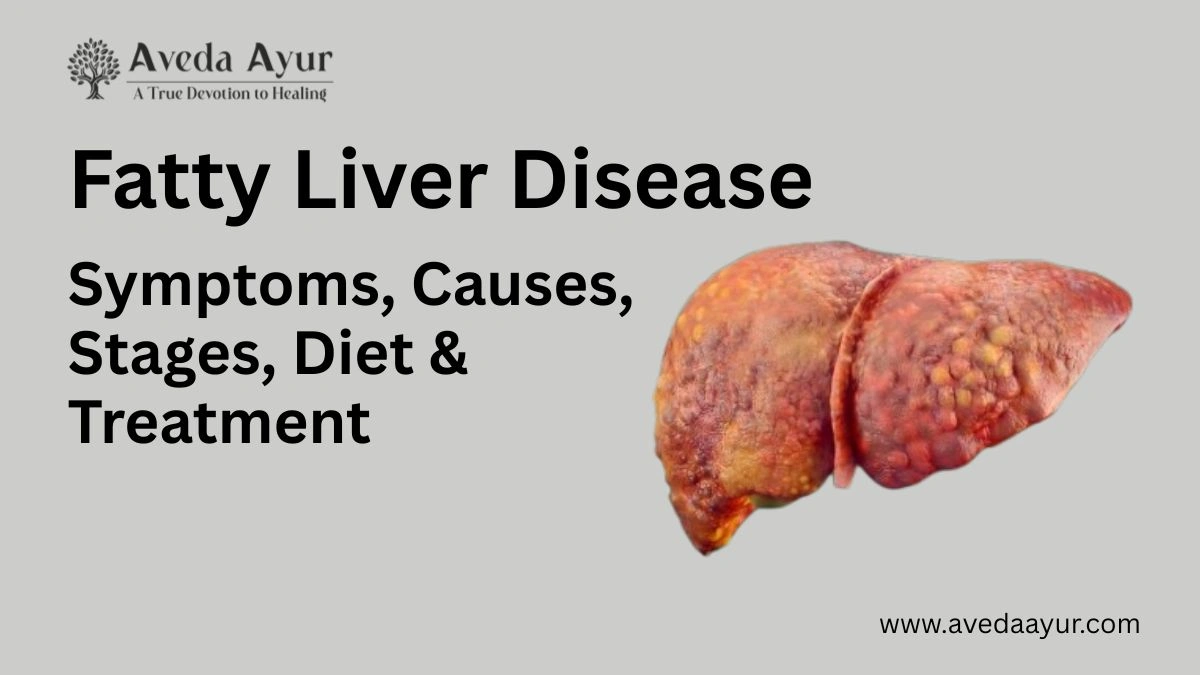
Fatty liver disease occurs when excess fat accumulates in liver cells. It is commonly associated with obesity, poor diet, diabetes, insulin resistance, and alcohol consumption. In many cases, especially in the early stages, fatty liver disease can be reversed through lifestyle changes such as weight loss, a balanced diet, and regular physical activity that support healthy liver function.
This article is based on medical research and guidelines from global health organizations, as well as studies on liver disease.
What Is Fatty Liver Disease
Fatty liver disease is a condition in which excess fat builds up inside liver cells. Normally, the liver contains small amounts of fat. However, when fat makes up more than 5–10% of the liver’s weight, it is classified as fatty liver disease.
The liver is one of the most important organs in the human body. It performs several vital functions, including:
- processing nutrients from food
- filtering toxins from the blood
- producing proteins necessary for blood clotting
- regulating metabolism
When excessive fat accumulates in the liver, it may lead to liver inflammation and gradual liver damage. If untreated, fatty liver disease may progress to more serious conditions such as liver fibrosis, liver cirrhosis, or liver failure.
Modern lifestyle habits such as high-calorie diets, sedentary routines, and metabolic disorders are major reasons why fatty liver disease is increasing worldwide.
How Common Is Fatty Liver Disease
Fatty liver disease has become one of the most common liver disorders globally.
According to global health research and reports from the World Health Organization, approximately 25% of adults worldwide may have non-alcoholic fatty liver disease (NAFLD).
In India, studies estimate that the prevalence of fatty liver disease ranges between 9% and 32% of the population depending on lifestyle, diet, and metabolic health.
The risk becomes significantly higher in individuals who are overweight or obese. Research indicates that 70–90% of people with obesity may develop fatty liver due to increased liver fat accumulation and metabolic syndrome.
These numbers highlight why early diagnosis and lifestyle changes are essential for protecting liver health.
Types of Fatty Liver Disease
Fatty liver disease is generally classified into two major types.
Non-Alcoholic Fatty Liver Disease (NAFLD)
Non-alcoholic fatty liver disease occurs when fat accumulates in the liver of people who consume little or no alcohol.
NAFLD is strongly associated with metabolic conditions such as:
- obesity
- insulin resistance
- type 2 diabetes
- high cholesterol
- metabolic syndrome
It is currently one of the fastest-growing chronic liver conditions worldwide.
Alcoholic Fatty Liver Disease
Alcoholic fatty liver disease develops due to excessive alcohol consumption.
Alcohol disrupts the liver’s ability to metabolize fats properly. This leads to fat accumulation inside liver cells and increases the risk of liver inflammation and liver damage.
Reducing or completely avoiding alcohol is essential for preventing disease progression.
Fatty Liver Symptoms
Fatty liver disease often develops silently, especially in the early stages. Many people may not experience noticeable symptoms initially.
However, as liver fat accumulation increases, certain symptoms may appear.
Common fatty liver symptoms include:
- persistent fatigue
- weakness or low energy
- mild discomfort in the upper right abdomen
- unexplained weight changes
- enlarged liver detected during medical examination
Because early fatty liver rarely shows clear symptoms, the condition is often detected during routine blood tests or fatty liver ultrasound scans.
Fatty Liver Symptoms by Stage
Symptoms may vary depending on the severity of liver fat accumulation.
| Stage | Possible Symptoms |
| Grade 1 | Usually no noticeable symptoms |
| Grade 2 | Fatigue and mild abdominal discomfort |
| Grade 3 | Abdominal swelling, weakness, signs of liver damage |
Detecting fatty liver during the early stages significantly improves the chances of reversing the condition.
Early Warning Signs of Fatty Liver
Early warning signs of fatty liver may appear before serious liver damage occurs. Recognizing them helps in timely intervention and liver health improvement.
Common early signs include:
- Persistent fatigue
- Mild abdominal discomfort, especially in the upper right side
- Weight gain around the abdomen or belly
- Occasional bloating
- Weakness or low energy levels
Note: These symptoms can be subtle. Routine health checkups, blood tests, and ultrasound scans are essential for early detection. Lifestyle changes at this stage can often reverse fatty liver.
Signs of Fatty Liver on the Body
In some individuals, fatty liver disease may also show visible signs related to metabolic imbalance.
Possible signs include:
- dark skin patches around the neck or armpits
- excess abdominal fat
- chronic fatigue
- swelling in the legs or ankles
- yellowish skin or eyes in severe cases
These symptoms may indicate insulin resistance or liver inflammation.
Stages of Fatty Liver Disease
Fatty liver disease usually develops gradually through four stages.
Stage 1 – Simple Fatty Liver
Fat accumulates inside liver cells, but inflammation or liver damage is minimal.
Stage 2 – Non-Alcoholic Steatohepatitis (NASH)
Fat accumulation is accompanied by liver inflammation. This stage can start damaging liver tissue.
Stage 3 – Liver Fibrosis
Long-term inflammation leads to scar tissue formation inside the liver.
Stage 4 – Liver Cirrhosis
Severe scarring disrupts normal liver structure and function and may lead to serious complications.
Fatty Liver Grade 1, 2, 3 Explained
Doctors also classify fatty liver based on the amount of fat detected in the liver.
| Grade | Explanation |
| Grade 1 | Mild fat accumulation in liver cells |
| Grade 2 | Moderate fat buildup affecting metabolism |
| Grade 3 | Severe fatty liver with a higher risk of liver damage |
Early stages, such as grade 1 fatty liver, can often be reversed with lifestyle changes.
Causes of Fatty Liver
Several factors contribute to fatty liver development.
Common fatty liver causes include:
- obesity or overweight
- type 2 diabetes
- insulin resistance
- high cholesterol levels
- poor diet high in sugar and processed foods
- excessive alcohol consumption
- metabolic syndrome
These factors increase liver fat accumulation and inflammation.
Risk Factors
Some individuals have a higher risk of developing fatty liver disease.
Important risk factors include:
- sedentary lifestyle
- high sugar consumption
- obesity
- insulin resistance
- Polycystic ovary syndrome (PCOS)
- high triglyceride levels
- metabolic syndrome
Managing these risk factors plays an important role in preventing liver damage.
Complications of Fatty Liver
If fatty liver disease is left untreated, it may progress into serious liver conditions.
Possible complications include:
- liver fibrosis
- liver cirrhosis
- liver failure
- liver cancer
Early diagnosis and lifestyle changes are essential for preventing complications.
Diagnosis of Fatty Liver
Doctors may use several tests to diagnose fatty liver disease.
Blood Tests
Blood tests measure liver enzymes such as ALT and AST. Elevated levels may indicate liver inflammation.
Ultrasound
A fatty liver ultrasound is one of the most common imaging methods used to detect liver fat accumulation.
CT Scan or MRI
These imaging tests provide more detailed information about the liver condition.
Liver Biopsy
In some cases, doctors may perform a biopsy to examine liver tissue and determine disease severity.
Treatment for Fatty Liver
There is currently no single medication that completely cures fatty liver disease. Treatment mainly focuses on reducing liver fat through lifestyle changes.
Important treatment strategies include:
- weight loss
- healthy fatty liver diet
- regular physical activity
- controlling blood sugar levels
- managing cholesterol levels
- avoiding excessive alcohol
These changes support liver health improvement and reduce liver fat accumulation.
Ayurvedic Treatment for Fatty Liver
Fatty liver disease is commonly managed through lifestyle changes such as a healthy diet, regular exercise, and weight management. Along with modern medical approaches, Ayurveda also describes natural methods that may help support liver health and improve metabolic balance.
In Ayurveda, fatty liver is often linked to imbalances in Pitta and Kapha dosha, which can affect digestion and fat metabolism. Ayurvedic practitioners may recommend herbal remedies, detoxification practices, and dietary adjustments to support liver function.
Some commonly mentioned Ayurvedic herbs that may support liver health include:
- Bhumi Amla: Traditionally used for supporting liver detoxification.
- Kutki: may help support healthy liver enzyme levels.
- Kalmegh: known for its potential liver-protective properties.
- Triphala: supports digestion and metabolic balance.
To learn more about these remedies and natural lifestyle practices, read our detailed guide on Ayurvedic Treatment for Fatty Liver in Hindi, where we explain Ayurvedic herbs, diet recommendations, and natural approaches that may support liver health.
How Long Does It Take to Reverse Fatty Liver
Recovery time varies depending on the severity of the condition.
| Grade | Recovery Time |
| Grade 1 | 3–6 months |
| Grade 2 | 6–12 months |
| Grade 3 | longer recovery with medical supervision |
Consistent lifestyle changes are essential for reversing fatty liver disease.
Best Diet for Fatty Liver
A healthy fatty liver diet focuses on reducing inflammation and improving liver metabolism.
| Food Category | Examples |
| Fruits | apples, berries |
| Vegetables | spinach, broccoli |
| Whole grains | oats, brown rice |
| Healthy fats | olive oil, nuts |
Foods rich in fiber, omega-3 fatty acids, and antioxidants support healthy liver function.
For a detailed meal plan, you can follow our Fatty Liver Diet Chart, which explains daily food choices for better liver health.
Foods to Avoid for Fatty Liver
Certain foods can worsen liver fat accumulation.
Foods to avoid include:
- sugary beverages
- fried foods
- refined carbohydrates
- processed meats
- excessive alcohol
A detailed explanation of these foods is discussed in our guide on Foods to Eat and Avoid for Fatty Liver.
Best Drinks for Fatty Liver
Some drinks may support liver health and reduce liver fat accumulation.
Healthy options include:
- coffee
- green tea
- lemon water
- vegetable juices
- beetroot juice
These drinks contain antioxidants that may support liver health improvement.
Best Exercise for Fatty Liver
Regular physical activity is one of the most effective ways to reduce liver fat.
Recommended exercises include:
- brisk walking
- cycling
- swimming
- strength training
- yoga
Aerobic exercise improves insulin sensitivity and supports healthy liver metabolism.
Lifestyle changes and natural remedies may also help improve liver health. Some simple strategies are discussed in our article on Home Remedies for Fatty Liver.
Can Fatty Liver Be Reversed
The good news is that fatty liver disease is often reversible, particularly in its early stages.
With proper lifestyle changes such as healthy eating, weight loss, and regular exercise, liver fat accumulation may decrease significantly.
However, advanced stages such as liver fibrosis or cirrhosis require medical monitoring and treatment.
Fatty Liver in Children
Fatty liver disease is increasingly being observed in children and adolescents.
Childhood fatty liver is often linked to:
- childhood obesity
- high sugar intake
- processed foods
- sedentary lifestyle
Encouraging physical activity and balanced nutrition can significantly reduce the risk of fatty liver in children.
Role of Genetics in Fatty Liver
Genetics may also influence the risk of fatty liver disease.
Some individuals inherit genes that affect how the body stores and processes fat. These genetic factors can increase the likelihood of liver fat accumulation.
However, healthy lifestyle habits can still reduce the risk even in people with genetic predisposition.
Emerging Treatments and Research
Researchers are currently studying new treatments for fatty liver disease.
Areas of research include:
- medications targeting liver inflammation
- therapies improving insulin sensitivity
- drugs that regulate fat metabolism
Although these treatments are promising, diet, exercise, and weight management remain the most effective approaches today.
Prevention Tips
Preventing fatty liver disease mainly involves maintaining a healthy lifestyle.
Helpful prevention tips include:
- maintaining a healthy body weight
- eating a balanced diet
- reducing sugar intake
- exercising regularly
- limiting alcohol consumption
- managing blood sugar and cholesterol levels
Regular medical checkups can help detect fatty liver early.
When to See a Doctor
Seek medical advice if you experience:
- persistent fatigue
- abdominal swelling
- jaundice
- unexplained weight loss
Early medical consultation helps prevent serious complications.
Best Supplements for Fatty Liver
Certain supplements may support liver health and reduce liver fat accumulation when combined with a healthy diet and lifestyle. Commonly recommended options include:
- Vitamin E – May help reduce liver inflammation in some cases of fatty liver.
- Omega-3 Fatty Acids – Found in fish oil and flaxseed, may improve liver fat metabolism.
- Milk Thistle – Contains silymarin, an antioxidant that supports liver cell health.
Note: Always consult a healthcare professional before starting any supplements, especially if you have existing medical conditions or take medications.
Key Takeaways
- Fatty liver disease occurs due to excess fat in liver cells.
- Obesity and diabetes are major risk factors.
- Early stages often show no symptoms.
- Healthy diet and exercise can reverse early fatty liver.
- Early diagnosis helps prevent serious liver complications.
Conclusion
Fatty liver disease is becoming increasingly common due to modern lifestyle habits such as poor diet, lack of physical activity, and metabolic disorders. Although the condition may not cause noticeable symptoms in its early stages, excessive liver fat accumulation can eventually lead to serious liver damage if left untreated.
The encouraging news is that many cases of fatty liver disease can be managed and even reversed through healthy lifestyle changes. A balanced diet, regular exercise, weight management, and regular medical monitoring play an important role in protecting liver health and preventing disease progression.
Early awareness and timely lifestyle modifications are essential for maintaining a healthy liver and reducing the risk of long-term complications. Reliable health education platforms such as Aveda Ayur aim to provide practical information on diet, lifestyle, and natural wellness approaches that support better liver health.
For readers looking for natural solutions, our detailed guide on Ayurvedic treatment for fatty liver explains herbs and traditional lifestyle practices that may support liver health.
Early awareness and lifestyle changes play an important role in preventing fatty liver disease progression and maintaining long-term liver health.
Medical Disclaimer
This article is for educational purposes only and should not replace professional medical advice. Always consult a qualified healthcare professional for diagnosis or treatment.
Frequently Asked Questions
Q1: What is the fastest way to cure fatty liver?
Weight loss combined with a healthy diet and regular physical activity is the most effective approach.
Q2: Can fatty liver turn into cirrhosis?
Yes. Untreated fatty liver may progress into fibrosis and eventually liver cirrhosis.
Q3: Is banana good for fatty liver?
Bananas can be consumed in moderation as part of a balanced diet rich in fiber and fruits.
Q4: Can exercise cure fatty liver?
Regular aerobic exercise can significantly reduce liver fat and improve liver function.
Q5: Is fatty liver permanent?
No. Early stages of fatty liver disease are often reversible with proper lifestyle changes.
Q6: Which fruit is best for fatty liver?
Fruits rich in antioxidants and fiber such as berries, apples, papaya, and citrus fruits may support liver health and reduce liver fat accumulation when consumed as part of a balanced diet.