

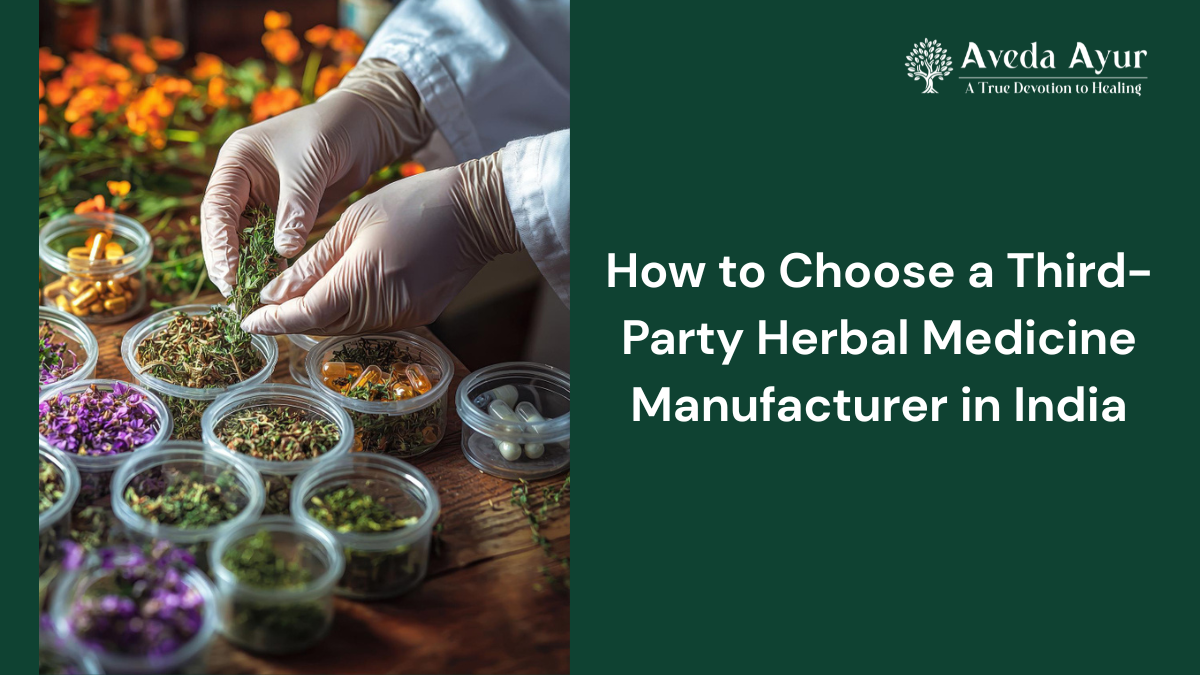
A third-party herbal medicine manufacturer is a company that produces Ayurvedic or herbal products for your brand, allowing you to sell them under your own label without owning a factory. Choosing the right manufacturer in India depends on certifications , product quality, extract-based formulations, scalability, and compliance support.
Quick Summary
If you’re selecting a third-party herbal manufacturer , focus on:
- GMP & ISO certifications
- Standardized herbal extracts (not raw powders)
- Low MOQ with scalability
- In-house R&D support
- Private labeling & packaging services
- Proven manufacturing track record
What is Third-Party Herbal Medicine Manufacturing?
Third-party herbal manufacturing is a model where a company produces Ayurvedic or herbal products on your behalf, and you sell them under your own brand.
You don’t need:
- A factory
- Manufacturing license
- Production team
Instead, you outsource everything and focus on:
- Branding
- Marketing
- Sales
Why India is a Hub for Herbal Manufacturing
India is one of the largest centers for Ayurvedic production because of:
- Strong AYUSH ecosystem
- Availability of raw herbs
- Cost-effective manufacturing
- Growing global demand for natural wellness
This makes India a preferred destination for private label herbal brands.
How to Choose the Right Third-Party Herbal Manufacturer (Step-by-Step)
1. Check Certifications (Non-Negotiable)
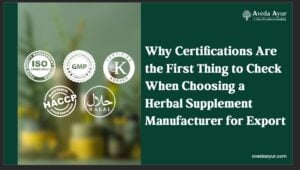
A reliable manufacturer must have:
- GMP (AYUSH approved)
- ISO certification
- FSSAI (for consumables)
- HACCP / WHO-GMP (for exports)
No certification = no long-term business
2. Look for Extract-Based Formulations
This is where most people get fooled.
Good manufacturers use:
- Standardized herbal extracts
- Consistent potency
- Better product effectiveness
Cheap manufacturers use raw powders = low results = no repeat customers
3. Evaluate Product Range
Make sure they offer:
- Capsules
- Syrups
- Oils
- Tablets
- Custom formulations
Limited range will force you to switch later (big mistake)
4. Check MOQ & Scalability
You need:
- Low MOQ (for testing market)
- High scalability (for growth)
If MOQ is too high → cash flow problem
5. R&D & Formulation Support
A serious manufacturer helps you with:
- Product formulation
- Ingredient selection
- Market trends
Without this, you’re just selling generic products
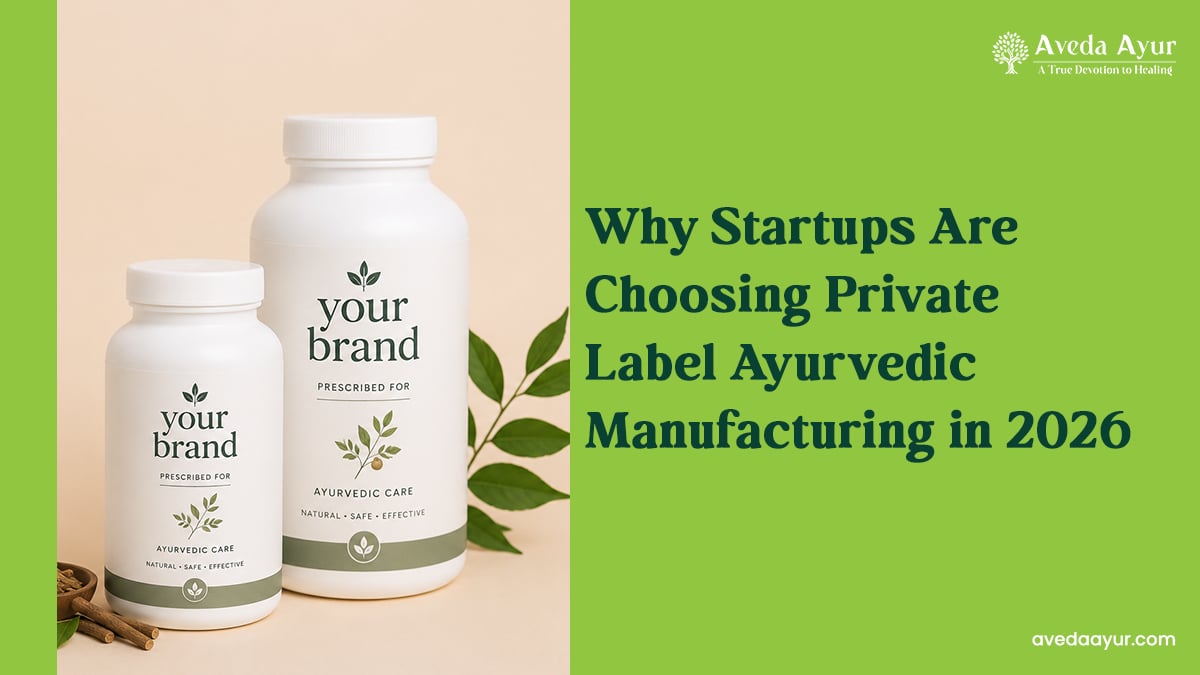
6. Packaging & Private Label Support
Look for:
- Label design
- Compliance-ready packaging
- Branding support
Packaging directly affects conversion rate
Common Mistakes to Avoid
Most brands fail because of these:
- Choosing cheapest manufacturer
- Ignoring certifications
- Not testing samples
- Ordering too much stock
- No brand differentiation
Brutal truth: Bad product = dead brand
What Products Can Be Manufactured?
Typical categories include:
- Herbal extract capsules
- Ayurvedic syrups
- Medicated oils
- Classical Ayurvedic medicines
- Custom herbal blends
Start with 1–2 hero products, not 10
Example: What a Reliable Manufacturer Should Offer
A professional herbal manufacturer should provide:
- Certified production facility
- Extract-based formulations
- Vegetarian capsules
- Multi-stage quality testing
- Bulk production capability
- Export-ready compliance
This is baseline—not premium
Final Checklist Before You Choose
Before finalizing, ask:
- Are certifications verified?
- Are samples tested?
- Is formulation unique or generic?
- Can they scale production?
- Do they support branding?
If 2+ answers are “no” → walk away
Related: Manufacturing Services
If you want to explore detailed manufacturing capabilities, processes, and requirements, you can check the full breakdown here:
https://avedaayur.com/services/ayurvedic-third-party-manufacturer-in-india/
Final Thoughts
Choosing the right third-party herbal manufacturer is not about price, it’s about:
- Product quality
- Compliance
- Long-term scalability
If your product fails, your marketing won’t save you.