


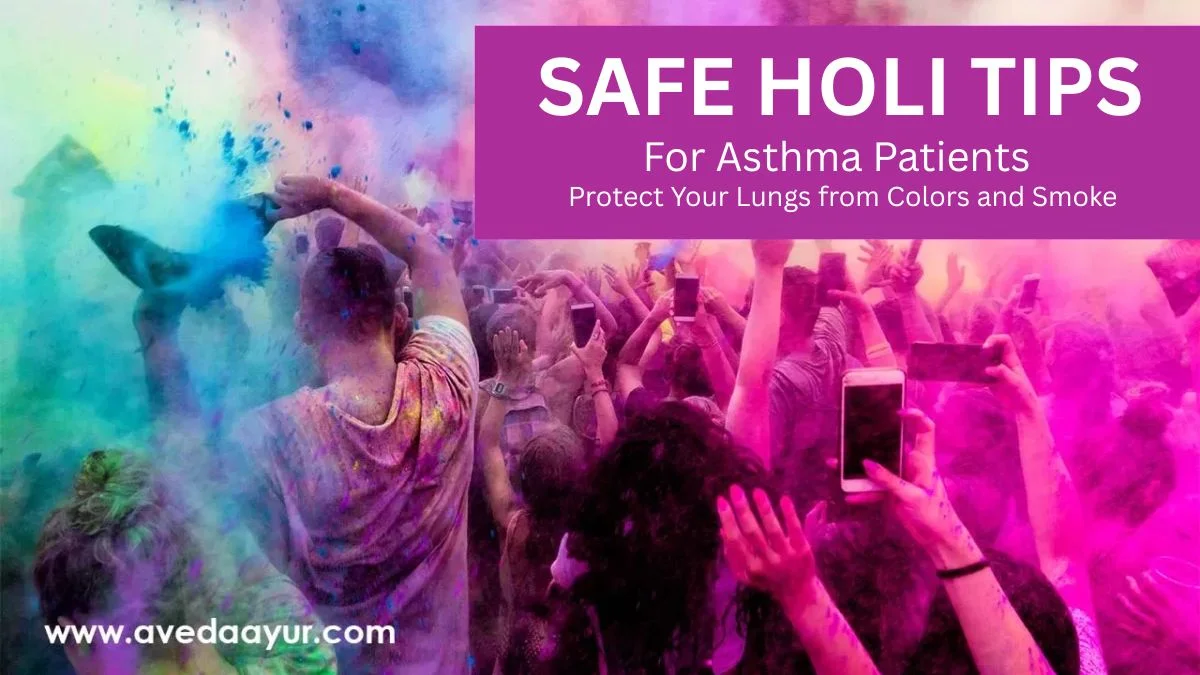
Holi is a festival of joy and colors, but for someone with asthma, even a small amount of color powder in the air can cause breathing discomfort and anxiety. Holi is a vibrant festival of colors and outdoor gatherings. For individuals with asthma, airborne powders, dust, and smoke can irritate airways and increase the risk of asthma attacks. Taking preventive precautions helps protect respiratory health and supports the prevention of asthma flare-ups during celebrations.
Exposure to dry color particles, environmental dust, and smoke can inflame sensitive airways and trigger breathing difficulties. With proper awareness, preparation, and preventive care, individuals can reduce respiratory risks and celebrate Holi more safely and confidently.
Why Holi Can Trigger Asthma Symptoms
Holi celebrations increase exposure to airborne irritants that can affect lung function. Dry color powders contain microscopic particles that remain suspended in the air and can easily enter the respiratory system when inhaled.
Common respiratory triggers during Holi include:
- Fine particulate matter from dry colors
- Smoke released during Holika Dahan
- Environmental dust and pollution
- Synthetic chemicals are present in artificial colors
- Strong fragrances and airborne allergens
These irritants may inflame airway linings, narrow breathing passages, and trigger symptoms such as coughing, wheezing, chest tightness, and shortness of breath.
Understanding these triggers plays an important role in asthma flare-up prevention during Holi.
Common Asthma Symptoms That May Occur During Holi
Recognizing early and severe symptoms helps individuals respond quickly and prevent complications.
| Symptom Stage | Symptoms | Recommended Action |
| Early Symptoms | Mild wheezing, slight cough, throat irritation, mild chest tightness | Reduce exposure, rest, and use prescribed inhaler if recommended |
| Severe Symptoms | Severe breathlessness, rapid breathing, difficulty speaking, persistent chest tightness | Seek immediate medical care and use emergency medication |
Early action helps prevent worsening of respiratory symptoms.
Essential Precautions Asthma Patients Should Take Before Playing Holi
Proper preparation helps reduce respiratory risks significantly.
Important preventive steps include:
- Carry your prescribed inhaler at all times
- Follow prescribed medications regularly
- Avoid dusty and crowded environments
- Choose natural and chemical-free colors
- Stay properly hydrated
- Inform family members about your condition
These precautions help support asthma flare-up prevention during Holi celebrations.
Protective Measures While Playing Holi
Taking safety precautions during celebrations reduces inhalation of harmful particles.
Follow these protective measures:
- Wear a mask covering nose and mouth
- Avoid direct exposure to dry color powders
- Prefer herbal or natural colors
- Take regular breaks if needed
- Avoid areas with smoke exposure
- Limit prolonged exposure to airborne irritants
These steps help minimize respiratory stress and protect lung health.
Skin Exposure to Holi Colors and Its Impact on Respiratory Sensitivity
Chemical-based Holi colors may cause skin irritation, redness, itching, or allergic reactions. Allergic reactions from chemical colors can increase airway sensitivity, making minor irritants more likely to trigger asthma symptoms.
When the immune system reacts to allergens through the skin, it may trigger inflammatory responses throughout the body. This immune activation can increase respiratory sensitivity and make airways more reactive to environmental triggers.
Protecting skin from harmful chemicals helps support both skin and respiratory health.
Special Precautions for Children and Elderly with Asthma
Children and elderly individuals are more vulnerable to respiratory triggers and require additional care.
Recommended precautions include:
- Monitor breathing regularly
- Avoid dry powder exposure
- Ensure inhaler accessibility
- Limit outdoor exposure duration
- Provide proper supervision
These preventive steps help protect sensitive respiratory systems.
Role of Diet in Supporting Respiratory Health During Holi
Proper nutrition helps support immune balance and respiratory stability.
Helpful dietary practices include:
- Drinking warm fluids
- Consuming antioxidant-rich fruits
- Including green vegetables
- Staying adequately hydrated
Avoid excessive cold beverages, fried foods, and processed items, as they may increase respiratory irritation.
Ayurvedic Perspective on Supporting Respiratory Wellness
Traditional wellness approaches emphasize maintaining internal balance and reducing environmental stress on the respiratory system.
Supportive wellness practices include:
- Maintaining proper hydration
- Following balanced daily routines
- Supporting natural immunity
- Avoiding respiratory irritants
These approaches may help support overall respiratory wellness.
Post-Holi Care to Protect Respiratory Health
Post-celebration care helps remove irritants and supports recovery.
Recommended steps include:
- Shower immediately after the celebrations
- Wash hair and exposed skin thoroughly
- Change clothes promptly
- Drink warm fluids
- Monitor respiratory condition
This helps reduce prolonged irritant exposure.
Breathing Practices to Support Lung Function
Breathing exercises help improve lung efficiency and respiratory control. Practice daily during the Holi season or when exposure to triggers is expected.
Diaphragmatic Breathing
- Place one hand on your stomach
- Inhale slowly through your nose
- Allow your stomach to rise
- Exhale slowly
- Practice for 5 minutes, twice daily
This helps improve breathing efficiency.
Slow Nasal Breathing
- Close your mouth
- Breathe slowly through your nose
- Take gentle, controlled breaths
- Practice 5–10 breaths, twice daily
This helps maintain airway stability.
When to Seek Medical Help
Seek immediate medical attention if:
- Severe breathing difficulty occurs
- Rapid breathing develops
- Chest tightness worsens
- Difficulty speaking develops
- Inhaler does not provide relief within a few minutes
Prompt medical care helps prevent serious complications.
Conclusion
Holi celebrations can expose individuals to airborne irritants that may trigger respiratory discomfort and asthma symptoms. However, proper preparation, preventive precautions, and respiratory care can significantly reduce risks and support asthma flare-up prevention during Holi celebrations.
Protecting airways, maintaining healthy lifestyle habits, and practicing breathing exercises help support respiratory stability. With proper awareness, preparation, and preventive care, asthma patients can fully enjoy the joy of Holi while keeping their respiratory health protected.
Promoting preventive wellness and respiratory awareness remains essential for safer celebrations, aligned with the holistic wellness philosophy of Aveda Ayur.
Medical Disclaimer
This content is for informational purposes only and should not be considered medical advice. Individuals with asthma should consult a doctor before participating in Holi celebrations or making changes to their treatment or preventive care routine.
Frequently Asked Questions (FAQs)
Q1. Can Holi colors trigger asthma attacks?
Yes. Dry Holi colors contain fine particles that may irritate airways and trigger asthma symptoms. Taking preventive precautions, such as wearing protective masks and limiting exposure, helps reduce respiratory risks.
Q2. Is it safe for asthma patients to celebrate Holi?
Yes. Asthma patients can celebrate safely by taking preventive precautions, carrying prescribed inhalers, and avoiding exposure to smoke and dust. Proper preparation helps minimize respiratory complications.
Q3. Can Holika Dahan smoke worsen asthma?
Yes. Smoke contains harmful particles that can irritate the airway linings and worsen asthma symptoms. Avoiding smoke exposure helps protect respiratory health and reduce the risk of flare-ups.
Q4. Can children with asthma celebrate Holi safely?
Yes. With proper supervision, preventive care, and limited exposure to respiratory irritants, children with asthma can celebrate Holi safely and comfortably.