

Saffron is not just a spice; it is one of the most valuable botanical ingredients in the world. Because of its high cost, unique chemical profile, and centuries-old use in traditional medicines and culinary arts, saffron holds a special place among herbal ingredients (1).
For private label brands, saffron is more than a raw material; it is a premium differentiator that increases product value, supports higher pricing, and strengthens brand trust.
In this blog, we explore why saffron is considered premium and how private label herbal brands can benefit from its inclusion in product formulations.
What Makes Saffron a Premium Ingredient in Herbal Products?
Saffron is considered premium because it is rare, hand-harvested, rich in bioactive compounds like crocin and safranal, and widely recognized for its cultural and scientific value. These factors increase product perception, pricing power, and brand differentiation. Here are some of the key aspects that make saffron a premium herb:
1. Rarity and Hand-Harvested Supply
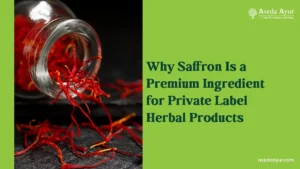
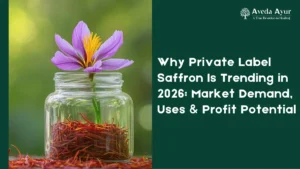
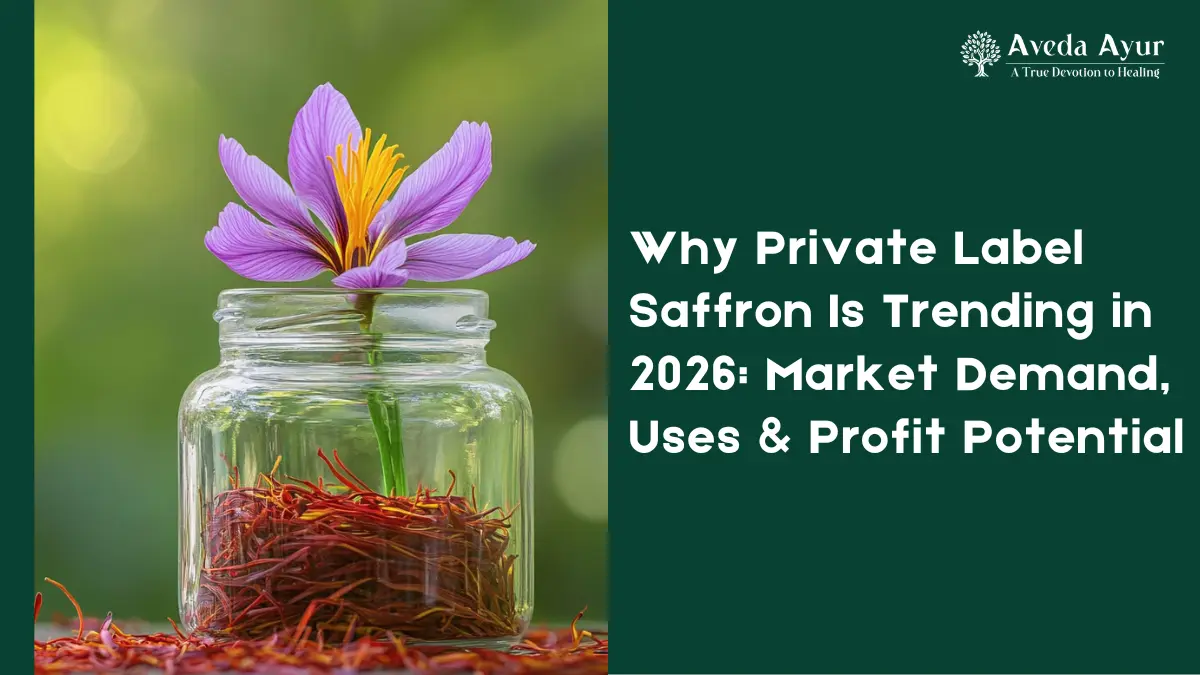
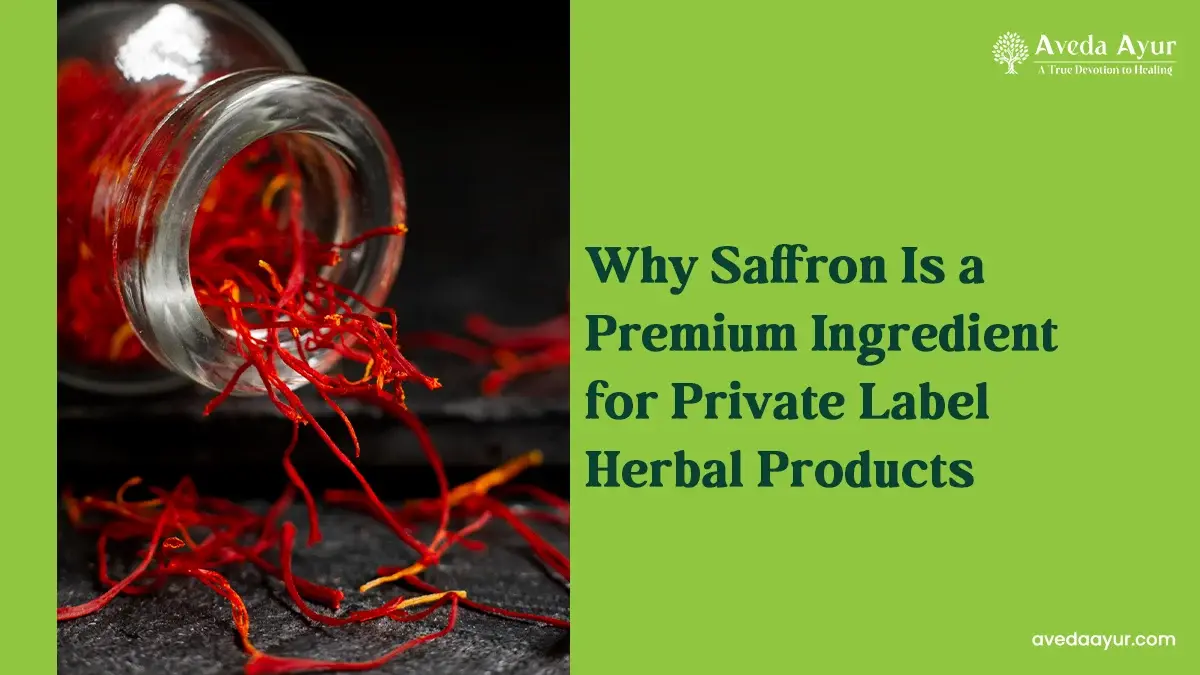
Saffron comes from the dried stigmas of the Crocus sativus flower. It takes thousands of flowers to make just a few grams of saffron (approximately 150,000–200,000 flowers to produce 1 kilogram), making the harvesting process extremely labor-intensive and costly (2).
2. Complex Chemical Composition
Saffron has been known to possess valuable compounds like crocin, safranal, and picrocrocin. These compounds are known to be responsible for the color, aroma, and biological properties of saffron.
3. Notable Bioactive Profile
Studies have revealed that the special compounds found in saffron could be responsible for its antioxidant and health-promoting properties (3). For example, studies on saffron’s active compounds indicate strong antioxidant activity and potential neuroprotective and metabolic benefits (4).
4. Sensory and Functional Impact
Premium ingredients also influence sensory experiences. Saffron imparts a rich golden color and a distinct aroma that elevates the look and feel of herbal products.
5. Cultural and Historical Value
Used for thousands of years in traditional medicine and cultural practices across Asia, Europe, and the Middle East, saffron’s heritage adds credibility and perceived worth to modern herbal formulations (5).
Together, these qualities make saffron not only rare and valuable but also scientifically interesting and culturally respected, key factors in defining a premium herbal ingredient.
How Saffron Elevates Private Label Herbal Products
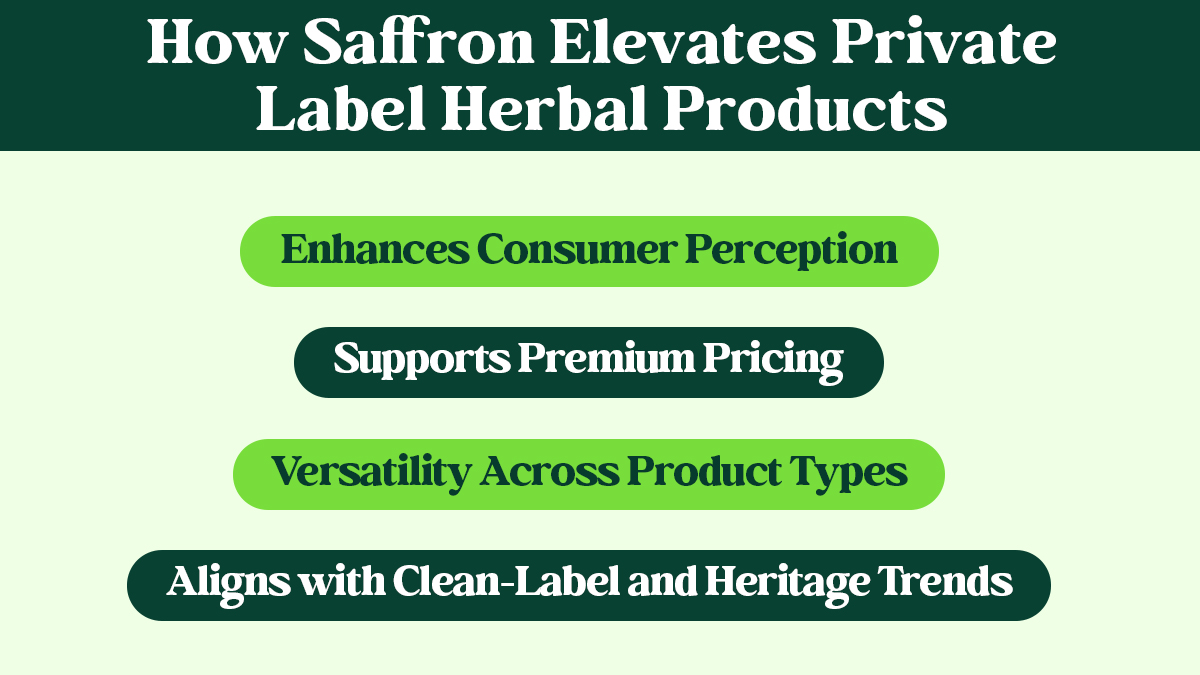
Including saffron in herbal products can significantly enhance product positioning and appeal:
1. Enhances Consumer Perception
Even small amounts of saffron can improve a product’s visual appeal and aroma. Consumers often associate saffron with luxury, tradition, and high-value wellness.
2. Supports Premium Pricing
Because saffron is inherently costly, products containing saffron naturally justify higher price points without appearing overpriced.
3. Versatility Across Product Types
Saffron can be used in:
- Herbal teas
- Nutraceutical capsules
- Ayurvedic tonics
- Skincare oils
- Premium herbal blends
This flexibility means brands can elevate multiple product lines using the same premium ingredient.
4. Aligns with Clean-Label and Heritage Trends
Consumers increasingly prefer natural and historically validated ingredients. Saffron aligns perfectly with these buyer expectations.
Why Private Label Brands Prefer Saffron-Based SKUs
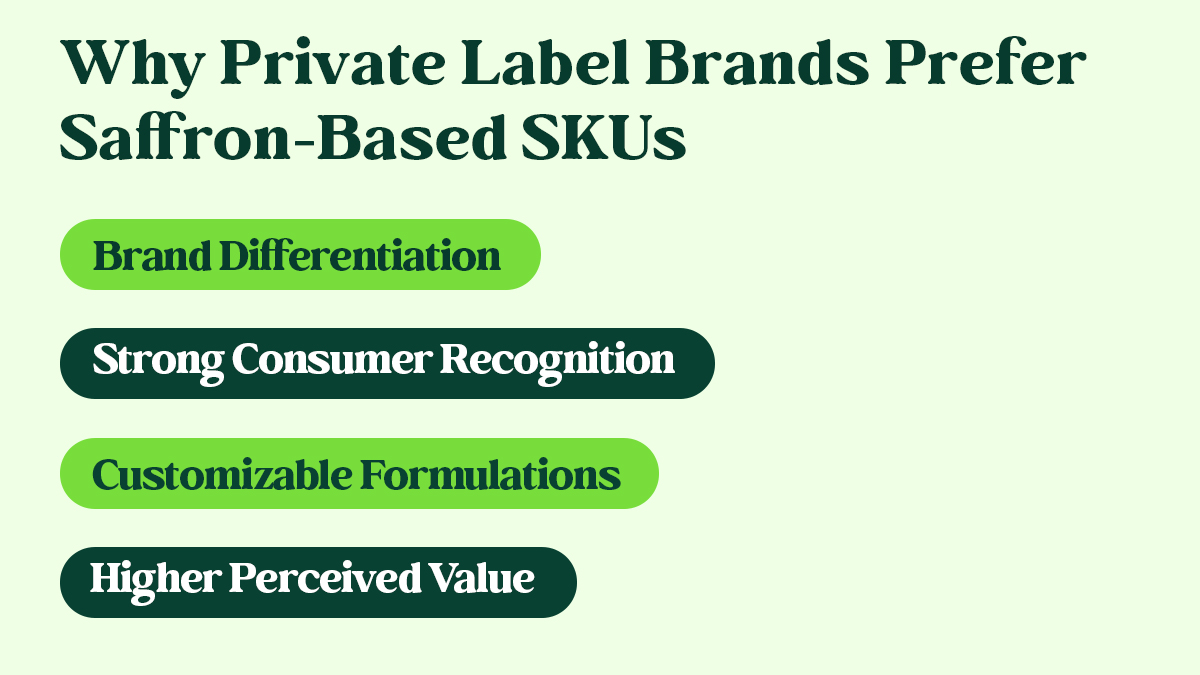
Private label brands choose saffron for strategic branding reasons:
- Brand Differentiation: In crowded herbal markets, saffron helps products stand out instantly.
- Strong Consumer Recognition: Unlike many botanical ingredients, saffron is already familiar to many consumers for its luxury association.
- Customizable Formulations: Saffron can be incorporated in thread form, powder form, or as a standardized extract with known concentrations of active compounds, giving formulators flexibility.
- Higher Perceived Value: Products with saffron are often perceived as more effective and authentic, which reduces the need for heavy marketing education.
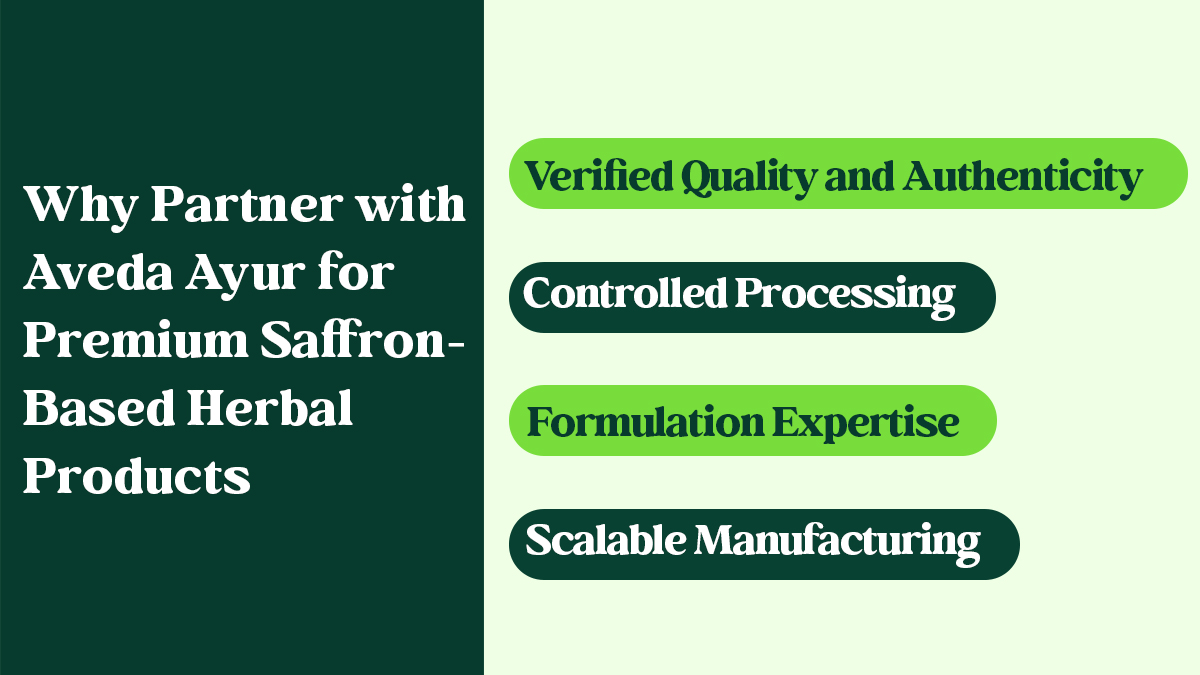
Why Partner with Aveda Ayur for Premium Saffron-Based Herbal Products
Aveda Ayur, with decades of experience, has emerged as a leading private label manufacturer and supplier in the ayurveda. The brand complies with GMP and ISO standards to meet international requirements. Here, saffron is treated not merely as an ingredient but as a central value driver in ayurvedic formulations.
Aveda Ayur focuses on:
- Verified Quality and Authenticity: We rigorously test saffron for purity and active components to ensure every batch meets premium quality standards, a critical step because saffron is prone to adulteration and authenticity challenges in the market (6).
- Controlled Processing: Our processes preserve saffron’s natural compounds, ensuring maximum color strength, aroma, and formulation integrity.
- Formulation Expertise: Whether your brand needs saffron in teas, oils, capsules, or extracts, Aveda Ayur provides tailored private label solutions.
- Scalable Manufacturing: From small niche brands to larger herbal portfolios, we offer scalable production that maintains high quality and compliance.
Partnering with a manufacturer that understands both saffron science and market positioning gives your brand a competitive edge in premium herbal segments.
Conclusion: Saffron as a Strategic Ingredient, Not Just an Add-On
Saffron is not just a herbal ingredient. It is a strategic tool that helps private label brands create premium products. Because of its rare sourcing, strong natural compounds like crocin and safranal, and centuries of traditional use, saffron carries both scientific and cultural credibility. This combination increases trust and perceived value in herbal formulations.
In simple terms, saffron helps brands move from standard products to premium positioning. Its rich golden color, distinctive aroma, and high market recognition instantly signal quality to consumers. As a result, saffron-based herbal products often justify higher pricing and attract customers looking for authentic, high-value solutions.
For private label herbal brands, saffron offers three key advantages: stronger brand differentiation, improved customer perception, and better pricing power. When sourced and processed correctly, it becomes more than an add-on; it becomes a competitive advantage.
If you want to develop premium saffron-based herbal products, Aveda Ayur provides customized private label manufacturing with strict quality standards.
Contact Aveda Ayur to create high-value herbal formulations designed for modern wellness markets.
Partner with Aveda Ayur and position your brand in the premium herbal segment with confidence.
FAQs
-
Why is saffron considered a premium ingredient in herbal products?
Saffron’s rarity, hand-harvested process, and unique chemical profile, including crocin and safranal, make it one of the most esteemed botanical ingredients globally.
-
Can saffron be customized in private label formulations?
Yes. Saffron can be used in multiple forms, from threads to powders to standardized extracts, giving brands formulation flexibility.
-
How does saffron support premium pricing?
Because saffron is costly and recognized for quality, its inclusion naturally justifies higher product price points and stronger margins.
-
Is saffron suitable for export-oriented herbal products?
Yes. In international markets, saffron’s reputation and cultural history add significant credibility, boosting appeal for high-end herbal and wellness products.
-
What should brands check when sourcing saffron for private label products?
Brands should verify authenticity, purity, active compound levels, and quality testing. Working with trusted suppliers and manufacturers ensures consistent, premium results.
References
- Cardone L, Castronuovo D, Perniola M, Cicco N, Candido V. Saffron (Crocus sativus L.), the king of spices: An overview. Scientia Horticulturae [Internet]. 2020 Oct 15 [cited 2020 Dec 7];272:109560. Available from: https://www.sciencedirect.com/science/article/abs/pii/S0304423820303885.
- El Midaoui A, Ghzaiel I, Vervandier-Fasseur D, Ksila M, Zarrouk A, Nury T, et al. Saffron (Crocus sativus L.): A Source of Nutrients for Health and for the Treatment of Neuropsychiatric and Age-Related Diseases. Nutrients [Internet]. 2022 Jan 29;14(3):597. Available from: https://www.mdpi.com/2072-6643/14/3/597.
- Mir RA, Tyagi A, Hussain SJ, Almalki MA, Zeyad MT, Deshmukh R, et al. Saffron, a Potential Bridge between Nutrition and Disease Therapeutics: Global Health Challenges and Therapeutic Opportunities. Plants. 2024 May 25;13(11):1467–7.
- Maggi MA, Bisti S, Picco C. Saffron: Chemical Composition and Neuroprotective Activity. Molecules. 2020 Nov 29;25(23):5618.
- Asgari M, Yu Q, Abdi M, Du GL, Shen YH. Survey of the History and Applications of Saffron. Chinese Medicine and Culture. 2022 Mar;5(1):31–8.
- Aissa R, Ibourki M, Ait Bouzid H, Bijla L, Oubannin S, Sakar EH, et al. Phytochemistry, quality control and medicinal uses of Saffron (Crocus sativus L.): an updated review. Journal of Medicine and Life [Internet]. 2023 Jun 1;16(6):822–36. Available from: https://www.ncbi.nlm.nih.gov/pmc/articles/PMC10478662/