

In today’s fast-paced era, where everything is just a click away, consumers are no longer choosing products solely based on ingredients and formulations. Consumers are increasingly seeking authenticity, transparency in sourcing, and time-tested value behind the products they use. This has brought back attention to the traditional and high-value ingredients, specifically those that are known to play a key role in beauty and natural wellness.
Saffron is among such ingredients that are gaining fresh attention. Their growing relevance is also reflected in market trends. According to the results of industry research, the global saffron market was valued at over USD 482 million in 2025 and is expected to almost double by 2033; this growth can be widely attributed to cosmetic, wellness, and medical applications. Such growth signals why saffron is increasingly viewed as a strategic ingredient in private label development rather than being a niche component.
What Is Saffron?
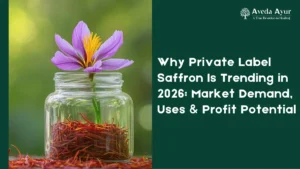
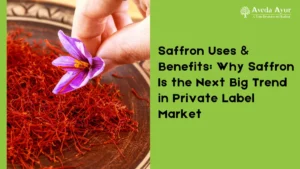
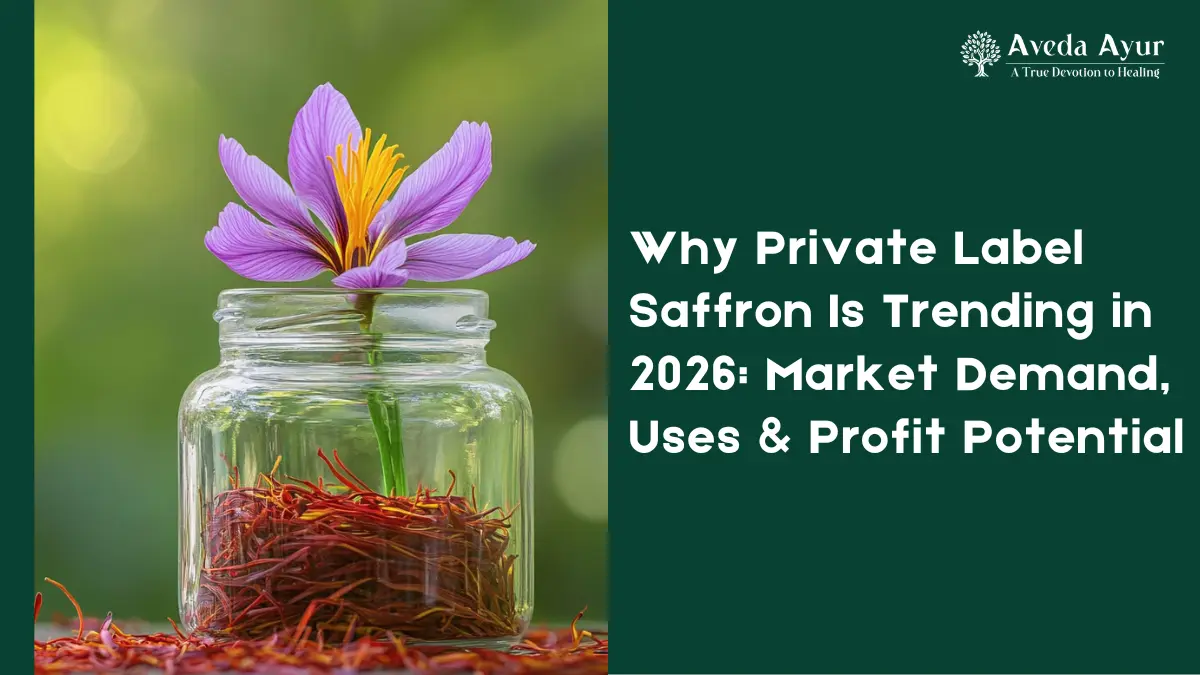
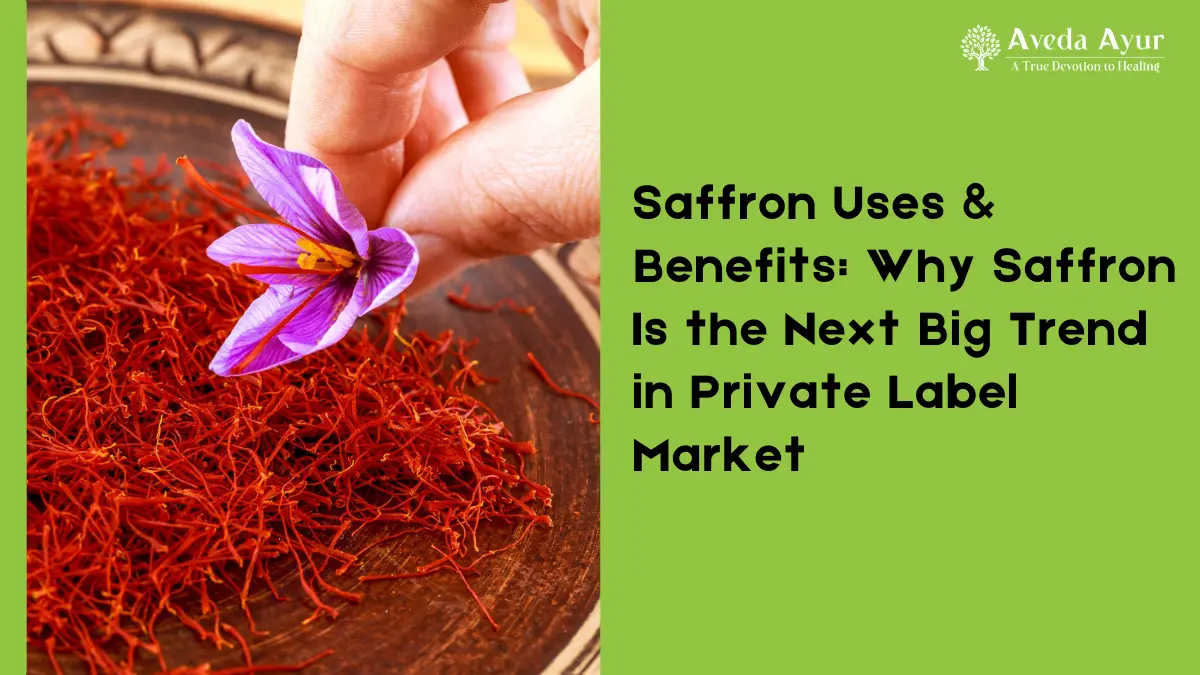
Saffron is a natural ingredient that comes from the flowers of the Crocus Sativus plant. The flowers of the Crocus Sativus produce three stigmas per flower, which have to be painstakingly gathered by hand. This makes saffron one of the most expensive ingredients around.
Traditionally, saffron is administered in Ayurveda to inspire skin brightness, jovialness, and well-being in general. This traditional use of saffron can be justified due to its immense utility over the years, with the advent of modern standards of quality evaluation.
Nutritional & Active Compounds in Saffron
Saffron benefits are associated with naturally occurring bioactive compounds:
- Crocin: It acts as a powerful antioxidant and gives color to saffron, which also supports skin brightness and protection from oxidative stress.
- Safranal: It is associated with the aroma of saffron. Consequently, it is related to sedative activity.
- Picrocrocin: It imparts flavor to saffron and is good for digestion.
These compounds are responsible for the continued use of saffron in both traditional and contemporary medicine.
Application of Saffron in Major Industries
Saffron’s versatility also enables it to be applied in more than one industry. This makes it even more relevant for Private Label brands.
- Culinary & Beverage Applications: This is used to enhance the appearance, aroma, and taste of gourmet food items and health drinks.
- Traditional & Ayurvedic Preparations: Traditionally, it is used in herbal tonics and oils for skin health and vitality.
- Beauty & Personal Care: Often used in face creams & serums, facial oils & face masks, hair oils, and scalp treatments.
- Wellness & Nutraceuticals: Used in supplements and wellness aids related to emotional balance and well-being.
Key Benefits of Saffron
Saffron presents many benefits that make this spice a useful addition to any natural remedy:
- Rich in antioxidants, which have protective effects on cells from environmental stresses
- Promotes natural skin glow and enhances dull skin
- Assists in maintaining a uniform skin tone.
- Can nourish the scalp and hair when used in a topical preparation
- Useful for emotional equilibrium and relaxation
- Enhances vitality within wellness-focused products
These benefits have helped establish the reputation of saffron in clean beauty and wellness markets.
Why Saffron Is Gaining Popularity in the Private Label Market
Market trends signal strong support for the increasing growth of saffron in private label manufacturing. In reference to cosmetic and medical applications, industry analysis estimated that the increasing demand for saffron is among the key factors contributing to the growth of the market globally.
Moreover, the Asia-Pacific is one of the regions with the fastest growth in saffron-based products. Increased awareness levels around Ayurvedic products, herbal skincare products, and plant-based wellness products motivate brands to incorporate value-added traditional ingredients into their products.
Saffron also has numerous strategic advantages for a private label brand:
- Significantly associated with clean beauty and natural wellness movements
- Value perception for Premium value
- Diversity in skincare, haircare, and wellness product categories.
- Consumer confidence is rooted in tradition and history of use
Future of Saffron in Ayurvedic & Natural Formulations
With the continuous growth of the global saffron market, the use of saffron in Ayurvedic and natural products is likely to rise further. However, the increasing interest in transparency of ingredients has created an awareness about the standards that are required.
In this regard, the international standards, which establishes the quality of saffron on parameters of color strength, aroma, and purity, give opportunities to manufacturers and suppliers to prove their worth in the quest for gaining trust and consistency. In the case of private label brands, credibility and consumer trust flow in as a long-term consequence.
By combining ancient Ayurvedic knowledge and modern formulation practices, saffron can be positioned as a long-term ingredient trend and not a short-term market shift.
Conclusion
Saffron represents one of the few areas of tradition, efficacy, and high-end appeal. Its wide range of uses and benefits, resting on growing demand for it globally, make it a valuable ingredient for brands seeking to offer differentiated private-label products based on natural and Ayurvedic roots.
For businesses seeking professionally formulated products with saffron as their key ingredient, Aveda Ayur offers private label manufacturing solutions driven by its Ayurvedic expertise, quality sourcing, and customized product development expertise to help brands succeed in the competitive market.
FAQs
- What is the use of saffron?
Saffron has been traditionally used in a wide array of applications, ranging from culinary, Ayurvedic, skincare, and haircare, as well as wellness products, owing to its antioxidant and nourishing activity.
- What are the primary advantages of using saffron for the skin?
Saffron plays a role in maintaining skin radiance, correcting uneven tones, and protecting against oxidative stress with the use of topical applications.
- What makes saffron a luxury spice?
Saffron is rare and labor-intensive to harvest and has many active constituents, which is why it is valuable and is associated with quality by consumers.
- Is Saffron good for private label products?
Yes, the saffron’s versatility, its potential market, and its connection with the clean beauty and Ayurveda movements make it good for private label development.