

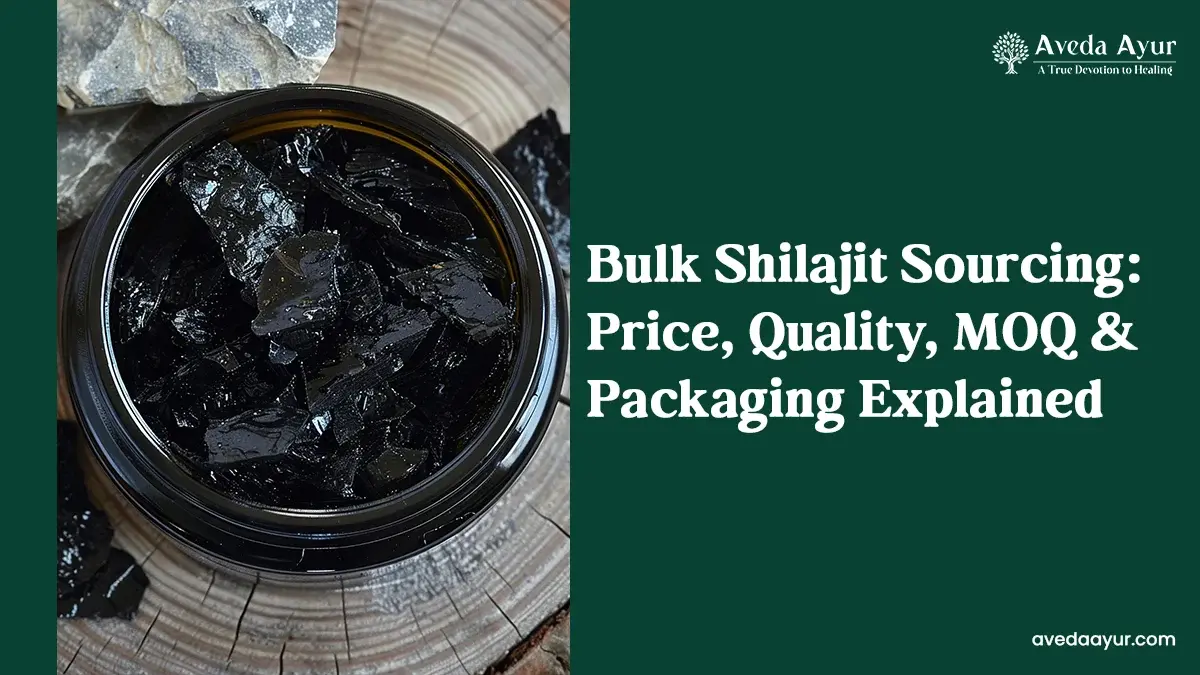
With the increasing demand for natural wellness products worldwide, Shilajit has been identified as one of the most in-demand raw materials in the nutraceutical, herbal, and wellness segment. For business-to-business customers, buying Shilajit in bulk or commercial quantities involves more than just procurement—it’s a decision that has a specific impact on the end product.
While purchasing for direct consumption may work in a few instances for consumers, for bulk purchasing, it is imperative to evaluate properly defined aspects such as purity levels, authenticity of resin, pricing elements, minimum ordered quantities, and even packaging. The following are all aspects that a business entity must know before engaging with a wholesale supplier for a Shilajit purchase.
Understanding Ayurvedic & Scientific Value of Shilajit
Shilajit is known to be an organic, mineral-rich resin that has been accumulating in high-altitude mountains over centuries through the decomposition of plant material. In ancient texts of Ayurvedic medicine, it has been described as a ‘rasayana’ that promotes vigor and overall wellness.
By modern scientific standards, Shilajit can be considered valuable for its contents of natural fulvic and humic acids, as well as trace elements. Such elements are crucial in the regulation of nutrition and cellular functions.
When it comes to its usage in the B2B world, it’s important that the type of Shilajit being extracted is noted. Shilajit resin is believed to be the purest version, as it keeps the natural matrix intact. Other variants like powders, tablets, or diluted extracts involve several processes that can affect their efficacy.
Shilajit Wholesale vs Retail Grade: What B2B Buyers Must Know
One of the biggest misconceptions among new buyers is assuming that retail-grade Shilajit is suitable for manufacturing or private-label use. The truth of the matter is that retail-grade and bulk Shilajit, aiming to reach B2B markets, can be two very different items.
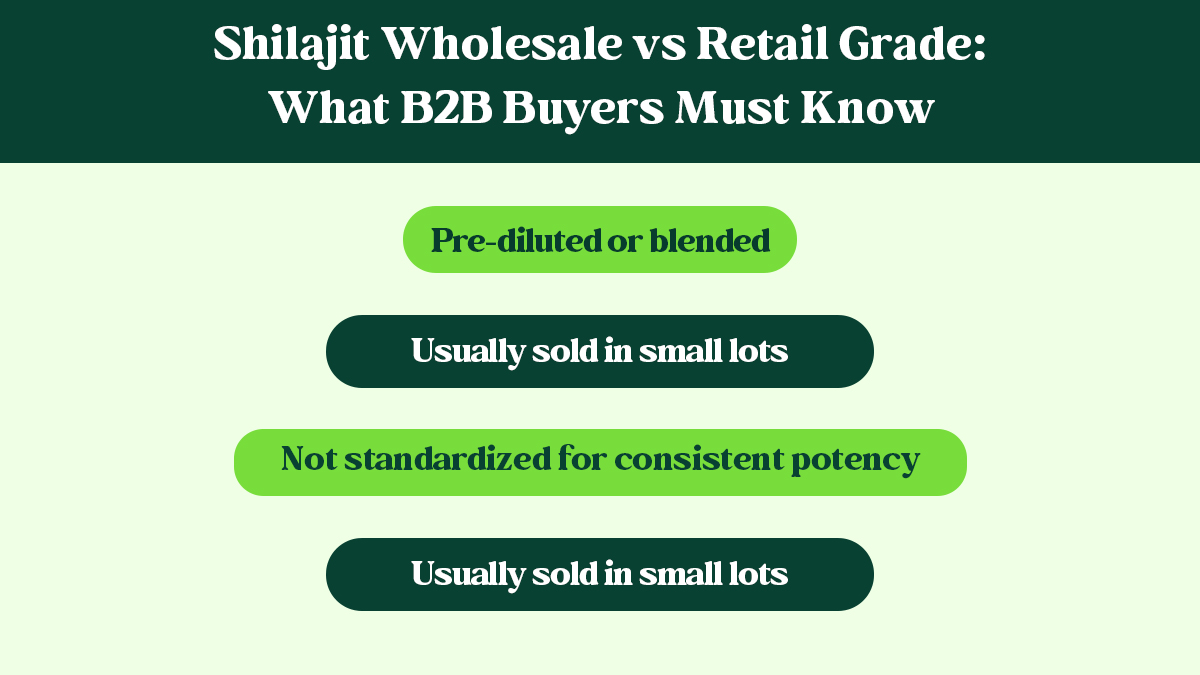
Retail Shilajit is usually:
- Pre-diluted or blended
- Usually sold in small lots
- Not standardized for consistent potency
- Not having documentation on a batch
Moreover, Wholesale-grade Shilajit, on the other hand, is
- In Resin Form, Supplied for High Purity
- Manufactured under controlled conditions
- Tested batch-by-batch for quality and safety
- For formulation, encapsulation, or further processing
For companies that produce consumer goods, finding mass quantities of material that meet the quality for retail can lead to varied quality for the final products as well as pose serious threats to the brands.
Quality Parameters for Bulk Shilajit Sourcing
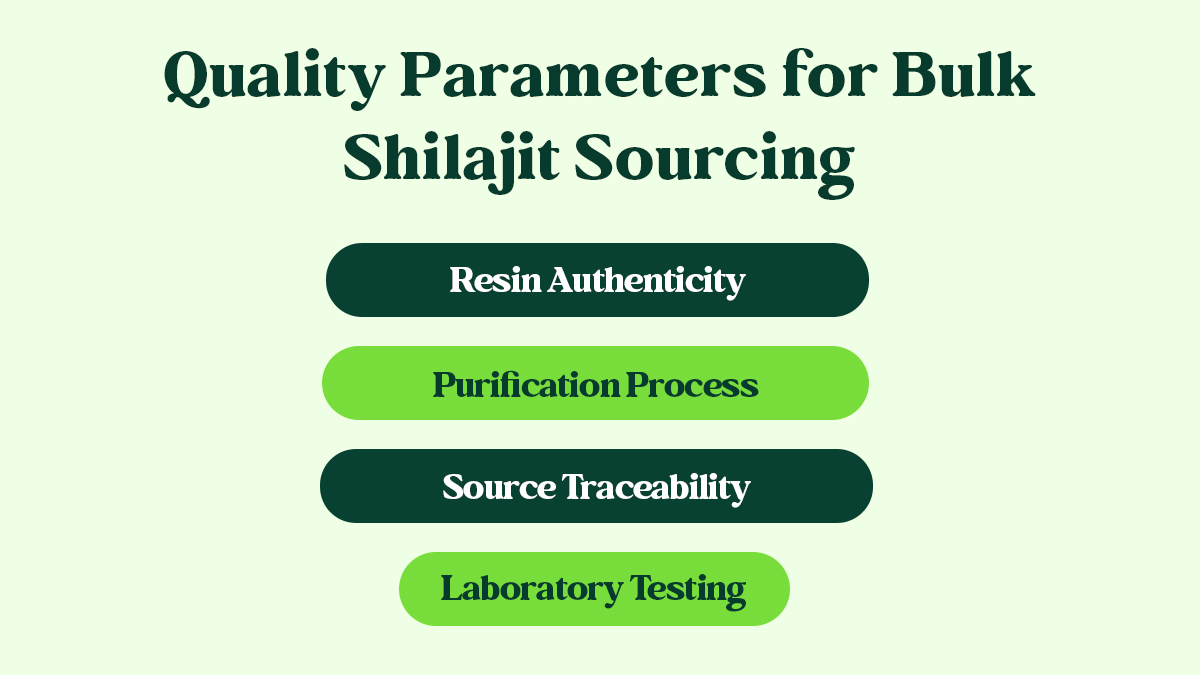
The prime criterion during the bulk buying of Shilajit is quality. Online B2B buyers, while purchasing the supplement, need to measure the supplier against clear criteria rather than advertisements.
Resin Authenticity
100% pure Shilajit resin does have a particular texture, fragrance, and solubility. It becomes softened in warmer temperatures and is fully soluble in warm water.
Purification Process
Raw Shilajit is further required to be purified properly. Otherwise, it can be harmful. Chemicals and microbes present in the soil can be hazardous.
Source Traceability
Regions where sourcing takes place at a high altitude with controlled harvesting practices provide a better mineral content and lower levels of contaminant presence.
Laboratory Testing
Reliable suppliers also offer:
- Heavy metal analysis
- Microbial testing
- Fulvic Acid Profiling
For B2B brands that have plans for long-term product development, quality parameters play an important role as consistency is necessary.
Bulk Shilajit Pricing Explained: What Affects the Cost?
Bulk prices for Shilajit can vary significantly, and an explanation for the prices is important for consumers to identify the lowest-quality product.
Key cost drivers include:
- Purity level and resin grade
- Sourcing difficulty and altitude
- Purification complexity
- Quality testing and documentation
- Order volume and contract duration
When the price is very low, it could be an indicator of some level of adulteration or processing. When it comes to reputable B2B buyers on their side of business, price also has to be considered relative to consistency and reliability.
MOQ (Minimum Order Quantity): What to Expect in Bulk Shilajit Orders
Minimum Order Quantity (MOQ) is always an important consideration for B2B buyers, more so when they are start-ups or when they have to launch new products
Typical MOQ ranges depend on:
- Resin-only bulk supply
- Private-label requirements
- Custom formulation or branding
In some cases, suppliers provide flexible MOQs for pilots, while in other scenarios, suppliers may be geared toward large-scale production contracts. In this case, communication regarding production volumes and growth projections may prove essential. A good supplier looks at the MOQ, not as an obstacle, but rather as a consideration when working together.
Packaging Options for Bulk & Private Label Shilajit
Packaging is an important aspect in the conservation of the purity, stability, and shelf life of Shilajit. For the B2B customer, the appropriate packaging solution is one that is beneficial for both the product and the brand.
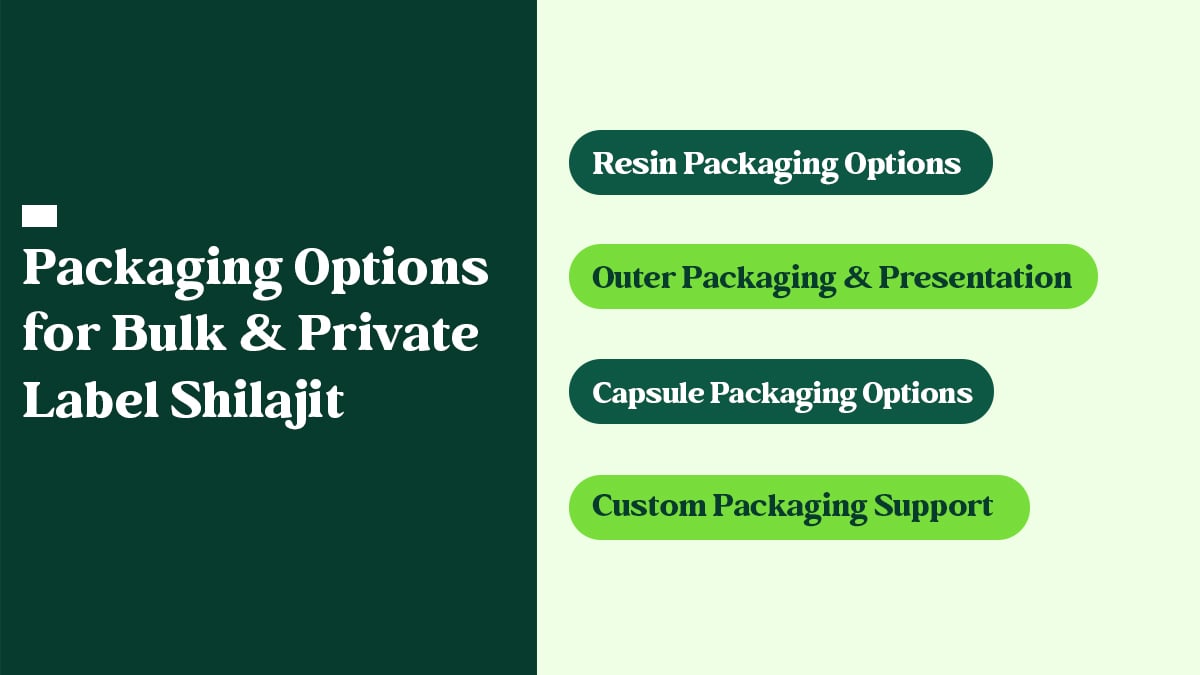
Resin Packaging Options
The Shilajit resin is packed in a manner that preserves its natural texture. The resin can come in the following packaging:
- Glass jars in both transparent and amber types in order to preserve the quality of resin while providing versatility in packaging goods.
- Secure, Food Grade containers to avoid contamination and exposure to moisture.
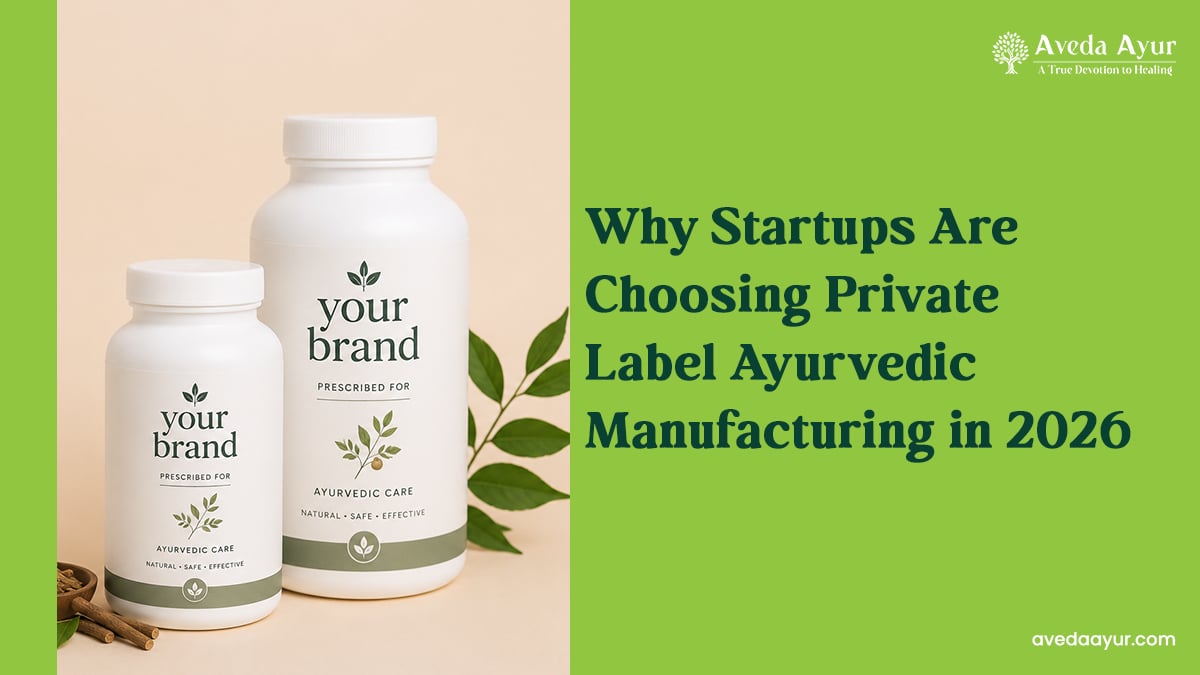
For supporting private brands, labeling help is offered, along with artwork placement and packaging compliance.
Outer Packaging & Presentation
To provide greater shelf appeal and differentiation, various printed outer packaging alternatives are provided, and these include:
- Square printed boxes
- Magnetic square boxes for premium positioning
- Cylindrical boxes for modern retail formats
- Printed cardboard boxes for cost-effective packaging
Other complementary accessories, such as printed spoons, can also be added for even greater convenience and brand cohesion.
Capsule Packaging Options
In the case of brands that sell Shilajit capsules, there are several packaging options available, which can be tailored according to market needs:
- HDPE bottles for durability and bulk handling
- Glass bottles for premium and export-focused products
- PET bottles for lightweight and cost-efficient packaging solutions
Custom Packaging Support
Apart from the standard options, there are possibilities of customizing the packaging according to the preferences of individual clients. Customized formats, materials, as well as designs, can be handled, depending on MOQ desired by the suppliers.
Through the provision of versatile and scalable packaging solutions, organizations can make sure their Shilajit products are safeguarded, market-ready, and fit their brand identity.
How Aveda Ayur Ensures Quality in Shilajit Wholesale Supply
At Aveda Ayur, Shilajit sourcing and processing are approached with a strong focus on consistency, purity, and long-term B2B reliability. The manufacturing process combines traditional purification principles with modern quality control systems.
Key strengths include:
- Controlled sourcing of high-grade raw Shilajit
- Careful purification to preserve natural bioactive compounds
- Batch-wise quality testing for safety and consistency
- Scalable supply solutions for growing brands
- Customized bulk and private-label support
This structured approach enables partners to confidently build and scale Shilajit-based product lines using 100% Pure Shilajit resin.
Common Mistakes B2B Buyers Make When Sourcing Shilajit in Bulk
Many B2B buyers encounter quality, compliance, and scalability issues due to avoidable mistakes during bulk Shilajit sourcing. Recognizing these pitfalls early helps protect brand credibility and operational stability.
- Choosing Price Over Purity: Prioritizing low pricing may result in low purity or even adulteration, as a product may end up being diluted and hence less effective.
- Working With Traders Instead of Manufacturers: When sourcing from middlemen traders rather than from manufacturers, there could be issues related to transparency, quality, as it could be inconsistent.
- Ignoring Documentation and Testing Reports: Failure to Use Documentation Reports: Failure to scrutinize test unit documentation may pose significant risks to the company in the form of inconsistent raw materials.
- Underestimating Packaging and Logistics Requirements: If not properly planned, packaging can affect the storage and transportation of resin, which can cause quality issues, leakage, or a shorter shelf life.
- Lack of Planning for Supply Consistency in the Long Run: Short-term strategies for sourcing products may impact production and time, and ultimately limit brands in the market.
To avoid these common errors, B2B buyers can use the tips below and incorporate them into practices that will help them establish a good-quality Shilajit product line.
How to Choose the Right Shilajit Wholesale Partner
Choosing the appropriate Shilajit wholesale company is an important business decision that not only affects the quality of the products, preparedness, and consistency of the supplies, but also the reputation of the brands in the health industry.
Manufacturing and Processing Capabilities
Determine if the supplier has in-house manufacturing capabilities and processing systems for ensuring quality and production volume consistency for multiple bulk orders.
Transparency in Sourcing and Testing
A trustworthy business partner can provide information about material sourcing, purification, and testing, and this is an area that can pose risks if decisions are taken based on assumptions.
Ability to Supply 100% Pure Shilajit Resin
It is also imperative to ensure that it has the capability to provide genuine and unadulterated 100% pure shilajit resin.
Customization and Private-Label Support
A good wholesale supplier can also provide flexibility regarding order quantity, packaging options, label assistance, and documentation that can be utilized effectively.
Scalability for Future Growth
Evaluate if they are capable of managing volume commitments, advancing the development of their own products, and long-term production strategy without facing supply chain issues or changes in quality.
Clear Communication and Documentation
Reliable partners assure good communication, information, and documentation of the whole procedure, including the packaging procedure, so as to ensure proper coordination of the stages of the procedure.
A strong Shilajit wholesale partnership extends beyond pricing—it enables consistent quality, operational confidence, and sustainable brand growth over time.
Conclusion
Bulk Shilajit sourcing is a critical foundation for any brand aiming to succeed in the wellness, nutraceutical, or herbal supplement space. From understanding resin purity and pricing factors to evaluating MOQ and packaging options, informed decisions ensure product quality and long-term business success.
If you are looking for a reliable Shilajit wholesale partner offering consistent quality, transparent processes, and a scalable supply of 100% Pure Shilajit resin, partnering with an experienced manufacturer can make all the difference.
Connect with Aveda Ayur to explore customized bulk and private-label Shilajit solutions designed to support your business growth with confidence and credibility.