

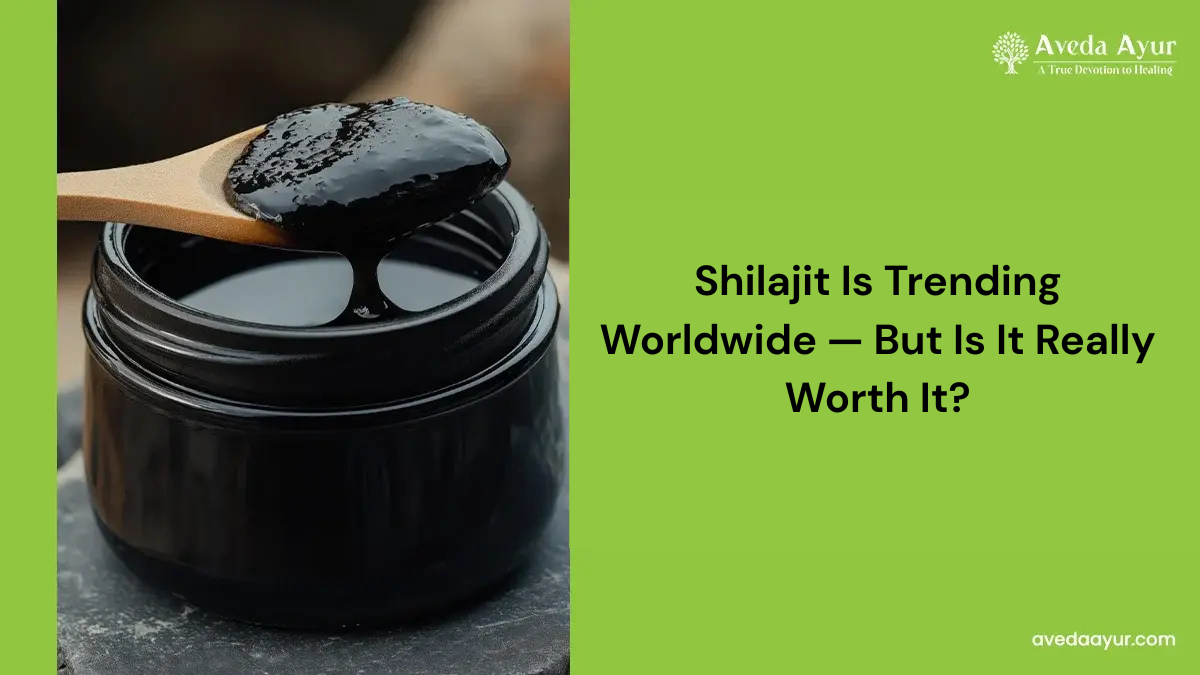
Shilajit is suddenly everywhere from fitness influencers to wellness experts and even global supplement brands.
But here’s the real question most people are asking:
Is Shilajit actually effective… or just another overhyped natural product?
Before you decide to try it, it’s important to understand what it is, why it’s trending, and whether it truly fits your lifestyle.
What Is Shilajit?
Shilajit is a natural, mineral-rich substance found mainly in the Himalayan mountains. It forms over centuries from the gradual breakdown of plant material and minerals.
It is traditionally used in Ayurveda as a rejuvenating and balancing compound.
Key natural components include:
- Fulvic acid
- Trace minerals (iron, magnesium, zinc, potassium)
- Bioactive plant compounds
Because of this composition, Shilajit is often explored in modern wellness routines.
Why Is Shilajit Trending in 2025–2026?
Shilajit’s popularity isn’t random. It’s driven by multiple global trends:
1. Shift Toward Natural Wellness
More people are moving away from synthetic supplements and exploring plant-based, traditional approaches.
2. Growing Interest in Energy & Performance Support
Busy lifestyles have increased demand for products that support:
- Daily energy
- Focus
- Recovery
Shilajit is often discussed in this context.
3. Social Media & Influencer Awareness
Fitness creators and wellness influencers have played a major role in making Shilajit mainstream.
4. Increased Curiosity Around Traditional Systems Like Ayurveda
Ancient systems are gaining attention globally and Shilajit is one of the most talked-about substances from Ayurveda.
Potential Benefits of Shilajit (What People Commonly Use It For)
Note: Effects can vary from person to person and depend on quality, lifestyle, and usage.
Shilajit is commonly associated with:
Energy & Vitality Support
Often included in routines aimed at maintaining overall energy levels.
Daily Wellness & Balance
Traditionally used to support general well-being.
Nutrient Absorption
Fulvic acid is studied for its role in helping transport nutrients.
Stress Adaptation
Sometimes referred to as an “adaptogenic” substance in traditional contexts.
Is Shilajit Safe to Use?
Shilajit is widely used in traditional practices, but safety depends on quality and sourcing.
Important considerations:
- Always choose purified and tested products
- Avoid unknown or low-quality sources
- Follow recommended usage guidelines
If you have any existing health conditions or are unsure, consulting a professional is always a good step.
Resin vs Capsules vs Powder — What’s the Difference?
One of the biggest questions people search is: Which form is best?
Shilajit Resin
- Closest to natural form
- Minimal processing
- Often preferred by traditional users
Capsules/Tablets
- Convenient
- Pre-measured dosage
- May include added ingredients
Powder Form
- Easy to mix
- Varies widely in quality
Many users prefer resin due to its traditional form, but choice depends on personal preference.
How to Use Shilajit
Common ways people include it in their routine:
- Dissolved in warm water or milk
- Taken in small, measured amounts
- Used consistently over time
Avoid excessive use and always follow product-specific directions.
How to Identify Good Quality Shilajit
This is where most people go wrong.
Look for:
- Lab-tested purity
- No heavy metals or contaminants
- Authentic sourcing (Himalayan region is common)
- Transparent manufacturing practices
Poor-quality Shilajit can reduce effectiveness and trust.
Is Shilajit Right for You?
Shilajit is generally explored by people who are looking to:
- Improve overall wellness routines
- Support active lifestyles
- Explore traditional Ayurvedic ingredients
However, it is not a quick-fix solution.
Results depend on consistency, lifestyle, and product quality.
Final Thoughts
Shilajit has moved from an ancient Ayurvedic substance to a globally discussed wellness ingredient.
Its rising popularity is driven by:
- Natural health trends
- Increased awareness
- Interest in traditional knowledge
But like any wellness product, the key lies in:
quality, consistency, and realistic expectations.